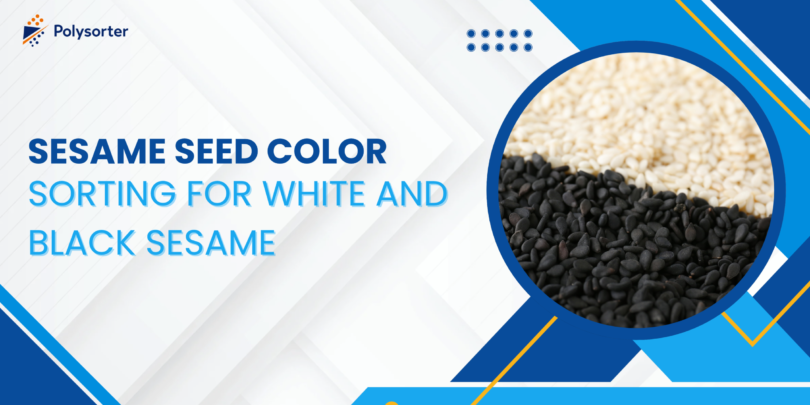
Sesame seed color sorting separates seeds and selected impurities according to detectable differences in color and appearance. Its purpose is to improve finished-product consistency while retaining sesame that meets the required grade.
The correct acceptance criteria depend on two separate characteristics: seed color and processing condition. White and black sesame present different visual targets, while hulled and unhulled products require inspection appropriate to their seed-coat condition.
For processors choosing equipment, this makes the finished-product specification the starting point. Define acceptable sesame, identify the unwanted material, and evaluate whether the proposed sorter can separate them at a practical production rate.
Define the Sesame Grade and Acceptable Appearance
Begin with the product your customer expects. Record the required color, whether the seed is hulled or unhulled, and the appearance variations the finished grade allows.
A processor supplying pale sesame for bakery ingredients may need a different color standard from a company packaging black sesame. Even within a white sesame grade, some customers accept a wider range of cream shades than others.
The sorting settings should reflect those commercial requirements.
Separate Color Requirements From Processing Condition
Color and hulling status describe different aspects of the material.
An intact seed coat belongs to an unhulled product. Detectable coat remaining on a seed may become an unwanted feature when the customer requires hulled sesame.
This distinction affects sample preparation and classification. A sorter demonstrated on unhulled sesame should be evaluated again if the intended production task involves a materially different hulled product.
Establish Reference Samples
Prepare examples of clearly acceptable sesame, clearly unwanted pieces, and borderline material requiring a grading decision.
Useful borderline examples may include slight shade variation, limited surface marks, partially coated seeds, or broken pieces. Decide which are acceptable before adjusting the machine.
This prevents an unnecessarily narrow appearance standard from reducing recovery. A setting that produces an exceptionally pale output may reject cream-colored seeds that still meet the customer’s specification.
For plants selling several grades, maintain separate acceptance standards and sorting recipes. The product definition should determine the settings and the destination of each output fraction.
What Sesame Seed Color Sorting Can Separate
A sesame color sorter observes material passing through an illuminated inspection zone. Its recognition system compares the captured characteristics with the selected acceptance criteria.
When a targeted piece reaches the rejection point, a controlled ejection system diverts it into a separate outlet. Successful separation therefore depends on both recognizing the unwanted piece and removing it without excessive loss of neighboring sesame.
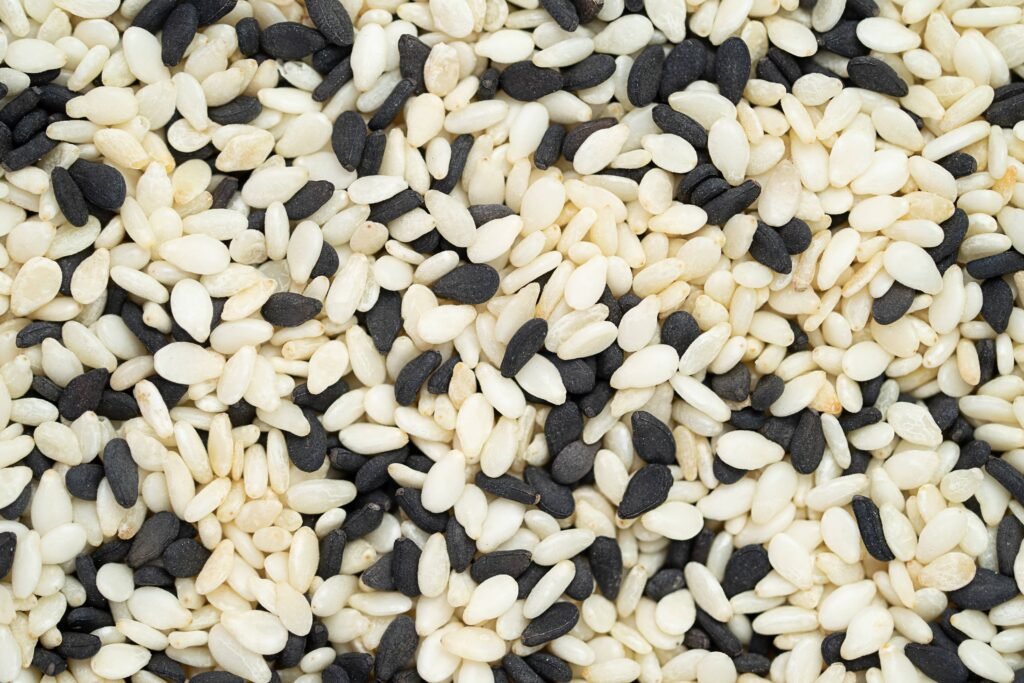
Depending on the material and configuration, sorting targets can include contrasting seed colors, visibly discolored seeds, selected surface defects, and distinguishable foreign particles.
| Sorting Task | Examples to Include in the Trial | What to Evaluate |
| White sesame color uniformity | Accepted pale shades, cream-colored seeds, and contrasting dark seeds | Removal of unwanted colors while retaining acceptable shade variation |
| Black sesame color uniformity | Accepted dark seeds, pale mixed seeds, and contrasting impurities | Separation performance against the agreed black sesame grade |
| Appearance control in hulled sesame | Acceptable hulled seeds and seeds with detectable residual coat | Recognition of unwanted coat appearance without excessive seed loss |
| Visible defect removal | Acceptable surface variation and examples of unwanted discoloration or spots | Whether the system separates the defined defects consistently |
| Residual foreign-material removal | Actual foreign seeds, particles, and other relevant impurities | Detectability and removal under normal feeding conditions |
These tasks may occur together in the same product stream. The trial should identify the performance achieved for each important target.
Evaluate Similar-Looking Impurities Separately
Some impurities provide clear color contrast. Others resemble acceptable sesame.
A pale foreign particle in white sesame or a dark particle in black sesame may offer limited visible distinction. Include these difficult pieces in the evaluation rather than judging performance only from obvious contaminants.
Where additional sensing is proposed, test whether it improves separation of the actual impurity. The relevant question is which measurable difference allows the system to distinguish that material.
Lighting, optics, image processing, and ejection precision all contribute to the result. Camera resolution alone cannot describe the complete sorting performance.
Appearance inspection also serves a different purpose from microbiological or chemical assessment. Food production requires the hygiene controls, processing steps, and testing appropriate to the intended sesame product.
Prepare Sesame for Consistent Inspection and Ejection
Small seeds place particular demands on feeding and rejection.
The inspection system needs a clear view of individual pieces, while the ejection system needs sufficient separation between targeted material and acceptable neighbors. Crowding, clumps, dust, and unstable flow can interfere with both tasks.
Remove Bulk Impurities Before Optical Sorting
Use suitable mechanical cleaning to reduce the impurity load before fine optical inspection.
Screens separate material according to size, aspiration removes suitable light fractions, and destoning equipment addresses stones under the relevant operating conditions. These stages prepare a more consistent stream for the optical sorter.
Removing bulk impurities upstream also reduces unnecessary ejection activity. If the sorter receives a heavily contaminated stream, repeated rejection can increase the opportunity for acceptable seeds to leave with the unwanted material.
The comparison between grain color sorting and mechanical cleaning explains how these separation methods complement each other.
Match Material Condition to the Installation Point
Assess the sesame as it will reach the sorter in production.
For cleaned unhulled sesame, the natural seed coat forms part of the appearance being inspected. A hulled product presents a different surface and may require sorting after the relevant hulling and conditioning stages.
If the line includes wet processing, prepare the seed to the moisture and handling condition specified for the selected machine. Record that condition during testing so the demonstrated result can be compared with the intended installation.
The suitable location follows the remaining quality problem. Sorting before and after a major processing change can involve different targets, even when both stages handle sesame.
Maintain Stable Distribution and Air Supply
Spread the feed consistently across the intended sorting width. During trials, check for crowded areas, intermittent surges, and seeds traveling in clusters.
Assess rejection alongside recognition. A machine may identify an unwanted seed correctly yet displace acceptable neighbors during ejection. Inspecting the reject stream helps reveal this loss.
Maintain optical windows, calibration, and compressed-air systems according to the supplier’s procedures. Confirm the required air pressure, flow, and quality, then check that the installation can maintain them during operation.
Test Sesame Sorters Against Your Actual Quality Targets
A useful equipment trial should reproduce the sorting decisions your plant needs to make.
Provide representative sesame together with reference examples showing what should remain and what should be removed. Include the normal size range, color variation, processing condition, and important contaminants.
For plants handling several origins or suppliers, document the differences and evaluate representative batches. Combining everything into one unexplained sample can make it difficult to understand which material creates the challenge.
Check the Difficult Seeds and Impurities
Begin with the pieces most likely to determine the equipment choice.
For white sesame, examine whether the system separates unwanted dark seeds while retaining the allowed pale and cream shades. For black sesame, assess pale mixed seeds and relevant contrasting particles against the required dark grade.
For hulled material, include examples of detectable residual coat and agree on the rejection boundary. If localized spots or surface marks form part of the specification, include acceptable and unacceptable examples of both.
Run these pieces through the normal feeding process. Their behavior in an ordinary material stream provides more useful evidence than a demonstration arranged to expose each defect under unusually favorable conditions.
Measure Accepted Quality and Sesame Recovery
Inspect both output streams.
In the accepted product, measure the remaining off-color seeds, defined defects, and relevant impurities. In the reject stream, distinguish intentionally removed material from acceptable sesame carried out during separation.
Calculate sesame recovery using the acceptable seed retained relative to the acceptable seed originally present in the feed. Total reject weight alone cannot establish that recovery because the rejected material contains different components.
Record whether the assessment uses mass or seed count. Use the same basis when comparing runs and explain how samples were collected.
If a second sorting stage is proposed, identify whether it improves accepted-product quality or recovers seeds from the initial reject stream. Evaluate the final outputs against the original feed and include the additional processing load.
Verify Capacity Under the Agreed Grade
Compare capacity at the required product quality and recovery.
Generic grain throughput figures provide limited information about a specific sesame application. Seed presentation, contamination, ejection frequency, and the acceptance standard can change the practical processing rate.
Record the actual feed mass, running time, interruptions, and number of passes. Also review cleaning access, recipe adjustment, operator checks, and the procedure for changing between products.
PolySorter’s guide to choosing a grain color sorter covers the wider purchasing considerations. For sesame, the strongest comparison remains a documented trial using the relevant seed grade and sorting targets.
FAQs About Sesame Sorting
Can One Color Sorter Handle Both White and Black Sesame?
A suitable configuration may handle both applications, but each requires its own acceptance criteria and evaluation. Confirm performance using samples of both products, including the important impurities and borderline seeds. Product changeover procedures should cover recipe selection, cleaning, and verification of the new output.
Does a Sesame Color Sorter Remove the Seed Coat?
No. Hulling equipment removes the seed coat. A color sorter separates pieces according to detectable appearance differences. In a hulled sesame process, it may help remove seeds with identifiable residual coat, provided those pieces can be distinguished and rejected under the tested conditions.
Can a Color Sorter Remove Stones That Match Sesame in Color?
Performance depends on whether the actual stones provide a detectable difference and can be ejected effectively. Include representative stones in the trial and assess the proposed sensor configuration. Mechanical destoning remains a complementary process for addressing stones through a different separation principle.
Where Should a Sorter Be Installed in a Sesame Processing Line?
Install it where the target defects remain detectable and the material meets the machine’s feeding requirements. The appropriate position depends on cleaning, hulling, conditioning, and the required finished grade. Evaluate samples from the intended installation point so the trial represents the actual sorting task.
Should First-Pass Rejects Be Sorted Again?
A recovery pass may be useful when rejects contain enough acceptable sesame to justify additional processing. First assess their composition, then measure the quality and quantity recovered. Any recovered fraction must meet its intended specification, and its return to the process should be included in the overall capacity assessment.
Choose a Sorting Process That Protects Sesame Quality and Recovery
Effective sesame sorting begins with a defined finished grade and continues through appropriate cleaning, stable feeding, suitable inspection, and verification of both output streams. The preferred configuration meets the required appearance standard while retaining acceptable seed at a sustainable production rate.
To discuss sesame seed color sorting for your processing line, contact PolySorter with the seed color, hulled or unhulled condition, sample photos, main impurities, target capacity, and finished-grade requirements. These details provide a practical basis for evaluating your application and recommending a suitable sorting configuration.